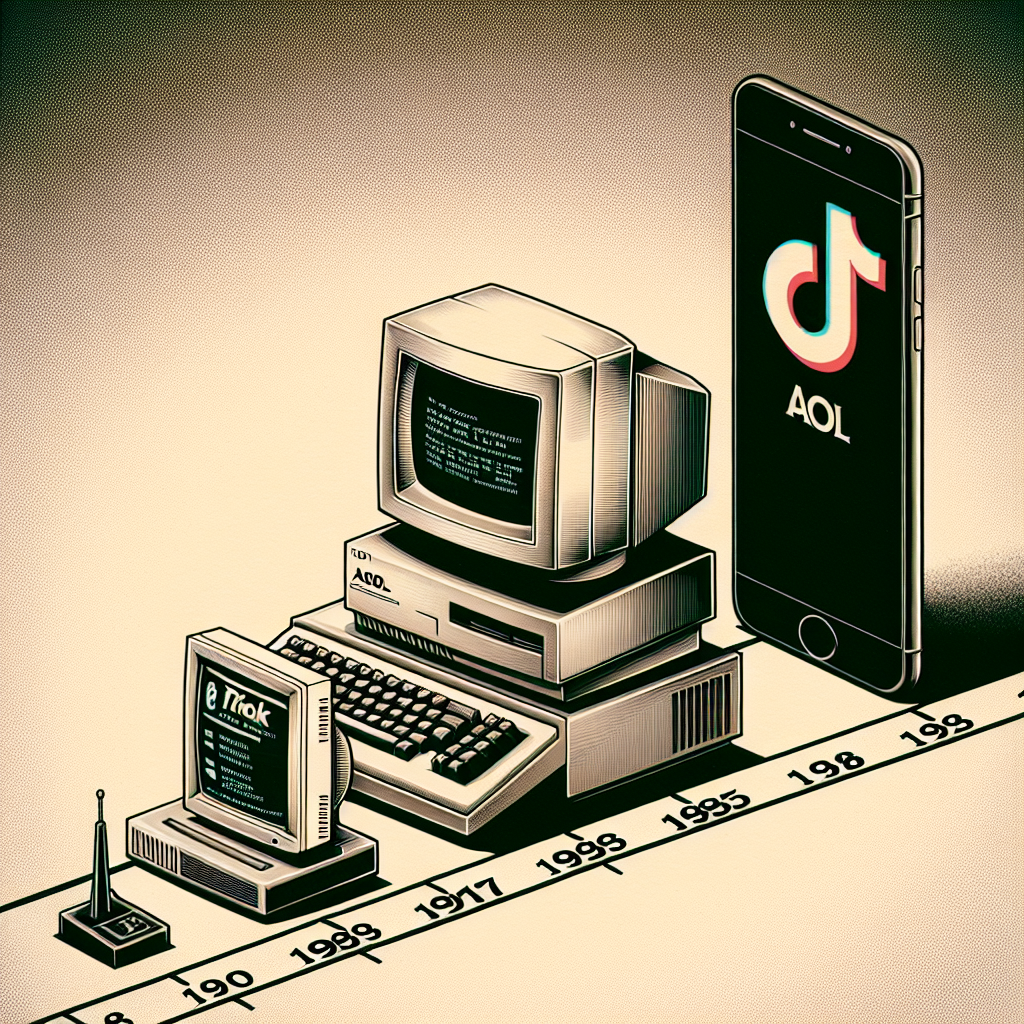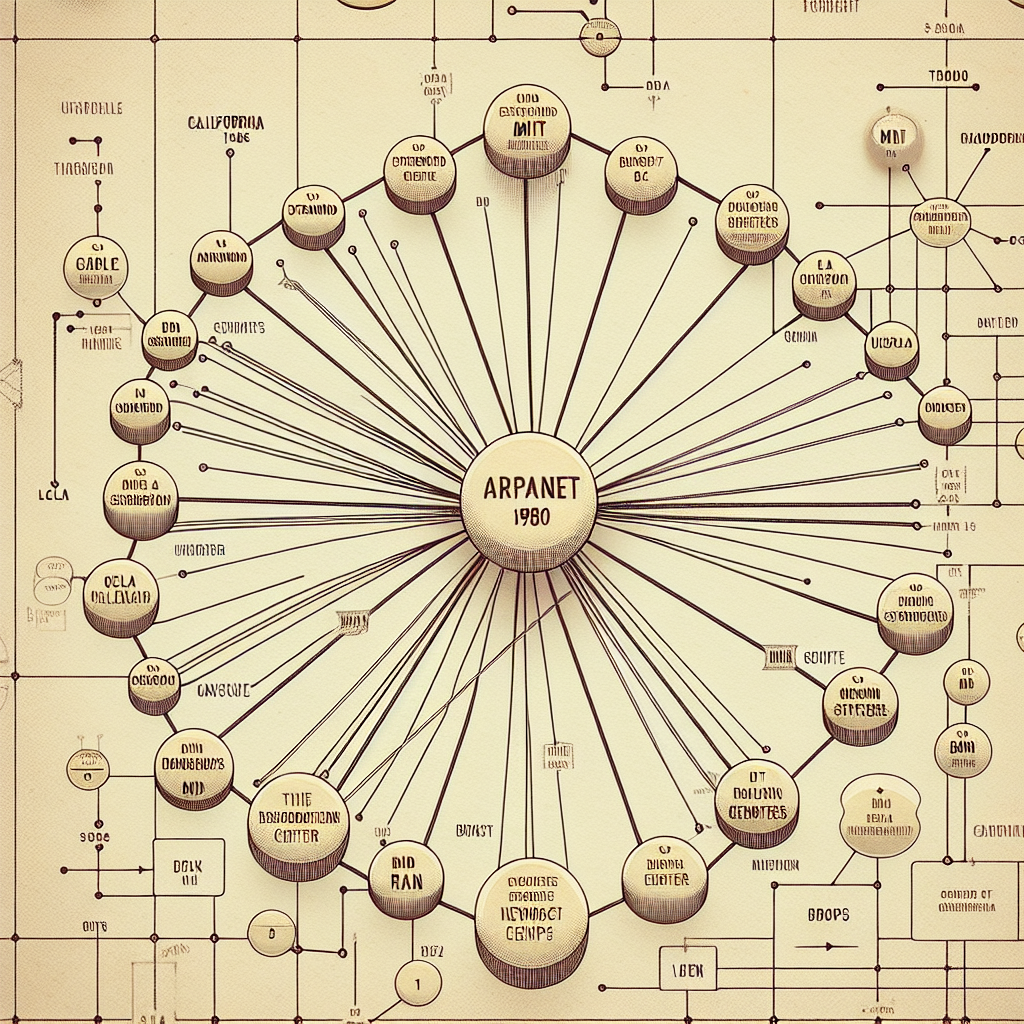
From ARPANET to AOL dummies

The History of the Internet: From ARPANET to the Eternal September

The internet as we know it – the vast, interconnected network of computers and digital resources that has transformed nearly every aspect of modern life – did not emerge all at once. Instead, it developed through decades of innovation, experimentation, and collaboration among governments, academic researchers, and private entities. This article traces the history of the internet from its genesis in the 1960s ARPANET project to the early 1990s, culminating in an event known to early internet users as the “Eternal September.”

Continue reading “From ARPANET to AOL dummies”

IRC or Internet Relay Chat

A summary of the history of IRC (Internet Relay Chat)

IRC, or Internet Relay Chat, is one of the oldest real-time Internet communication systems. It was created in 1988 by Jarkko Oikarinen, a Finnish developer working at the University of Oulu. Oikarinen developed IRC to replace an existing communications program called MUT (MultiUser Talk) on the university’s BBS (Bulletin Board System) called OuluBox.

Continue reading “IRC or Internet Relay Chat”

Juniper SP/Enterprise Config

Juniper Networks offers two primary configuration styles tailored to different types of network environments: Enterprise style and Service Provider style. Both styles use the Junos OS but cater to the distinct operational needs of enterprise IT teams and telecom service providers.

Continue reading “Juniper SP/Enterprise Config”

Juniper EVPN/VXLAN mesh or ring

EVPN/VXLAN with Juniper QFX switches provides a scalable and efficient network solution. EVPN uses BGP to share MAC and IP info, while VXLAN enables Layer 2 connectivity over Layer 3. Juniper QFX switches, like the QFX5120 and QFX5220, support VXLAN in hardware for high performance and smooth multi-tenancy. This setup improves flexibility, simplifies management, and supports data center interconnects.

Continue reading “Juniper EVPN/VXLAN mesh or ring”

Quick fixes for Juniper problems

In Junos, the clear command is a useful tool for resetting, refreshing, or clearing various system states, statistics, and counters. It helps network administrators troubleshoot issues by removing outdated data and ensuring real-time accuracy in monitoring. This command is essential for maintaining optimal network performance, allowing for quick recovery from anomalies and ensuring that devices operate with the most up-to-date information. By using it effectively, administrators can streamline diagnostics, enhance visibility, and improve overall system reliability.

Continue reading “Quick fixes for Juniper problems”